
Google may be preparing one of the biggest transformations Android has ever seen.
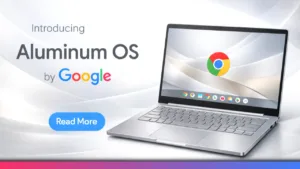
A newly leaked operating system called “Aluminium OS” reportedly appeared shortly after Google I/O 2026, and if the early information is accurate, this could represent a major shift toward an AI-focused Android desktop ecosystem.
What makes this especially interesting is that the software does not look like a normal Android tablet interface at all.
Instead, it appears to be:
- desktop-focused
- heavily AI integrated
- optimized for ARM hardware
- and potentially designed for a brand-new category of Google laptops
And honestly, it feels much more ambitious than many people expected.
Aluminium OS Appears to Be Built on Android 17
According to the leak, Aluminium OS is reportedly based on Android 17 but heavily modified into a desktop-oriented operating system.
The software is also allegedly connected to new “Google Books” devices, which appear to use ARM-based hardware instead of traditional Chromebook-style x86 processors.
That detail matters because it changes how the operating system runs entirely.
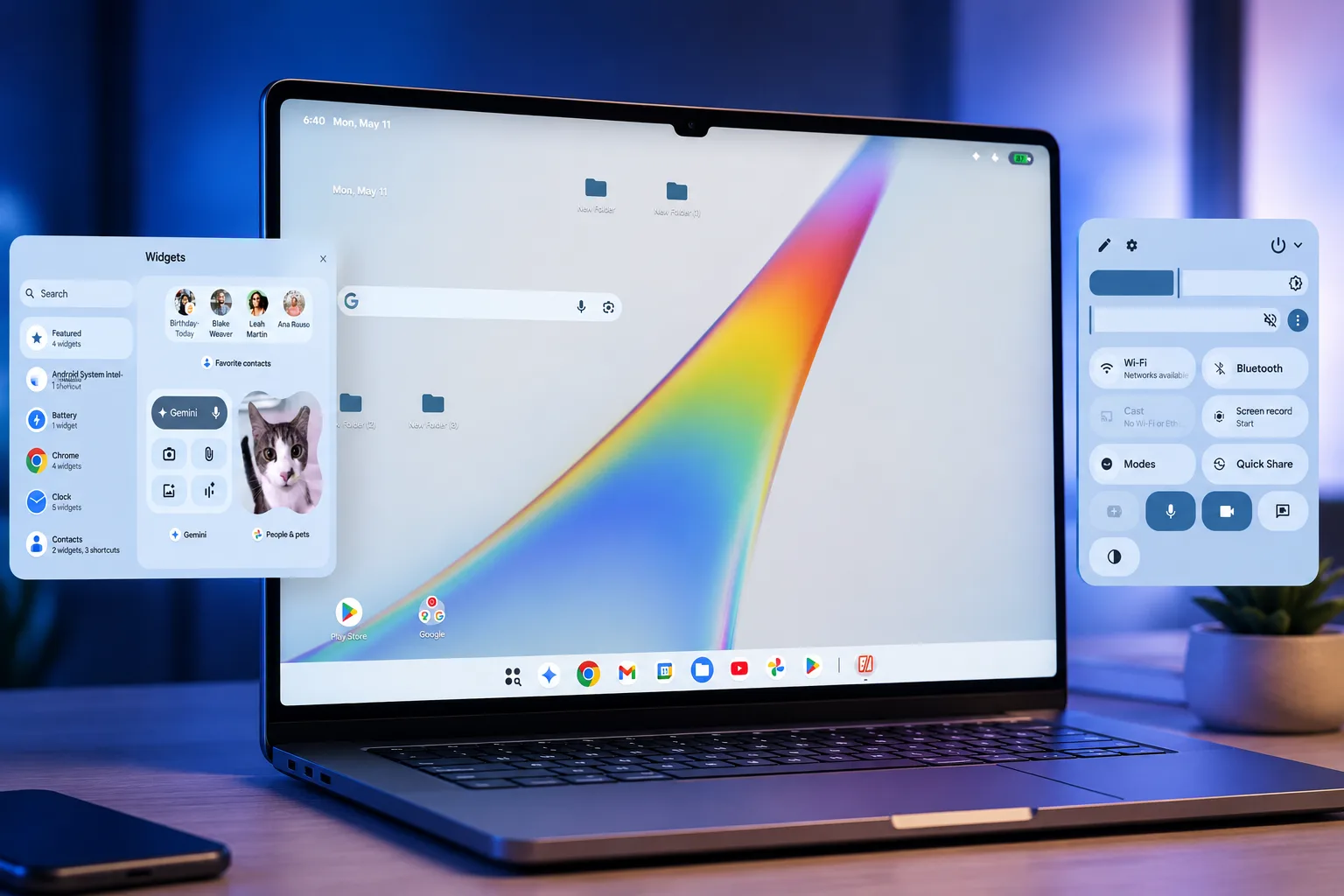
Why Aluminium OS Feels Different From ChromeOS
Unlike ChromeOS, which traditionally focused on lightweight web workflows, this new system seems designed around:
- native Android experiences
- AI integration
- ARM efficiency
- and laptop-style multitasking
That combination could potentially reshape Google’s entire ecosystem strategy.
Running Aluminium OS Is Surprisingly Complicated
One of the biggest discoveries from the leak is that the system reportedly does not work properly in standard x86 virtual machine software, like:
- VMware
- VirtualBox
- or normal desktop virtualization environments
Instead, users reportedly need:
- ARM emulation
- QEMU support
- and a macOS application called UTM
to get the leaked image working correctly.
That immediately suggests Google may truly be building this platform primarily around ARM hardware instead of traditional PC chips.
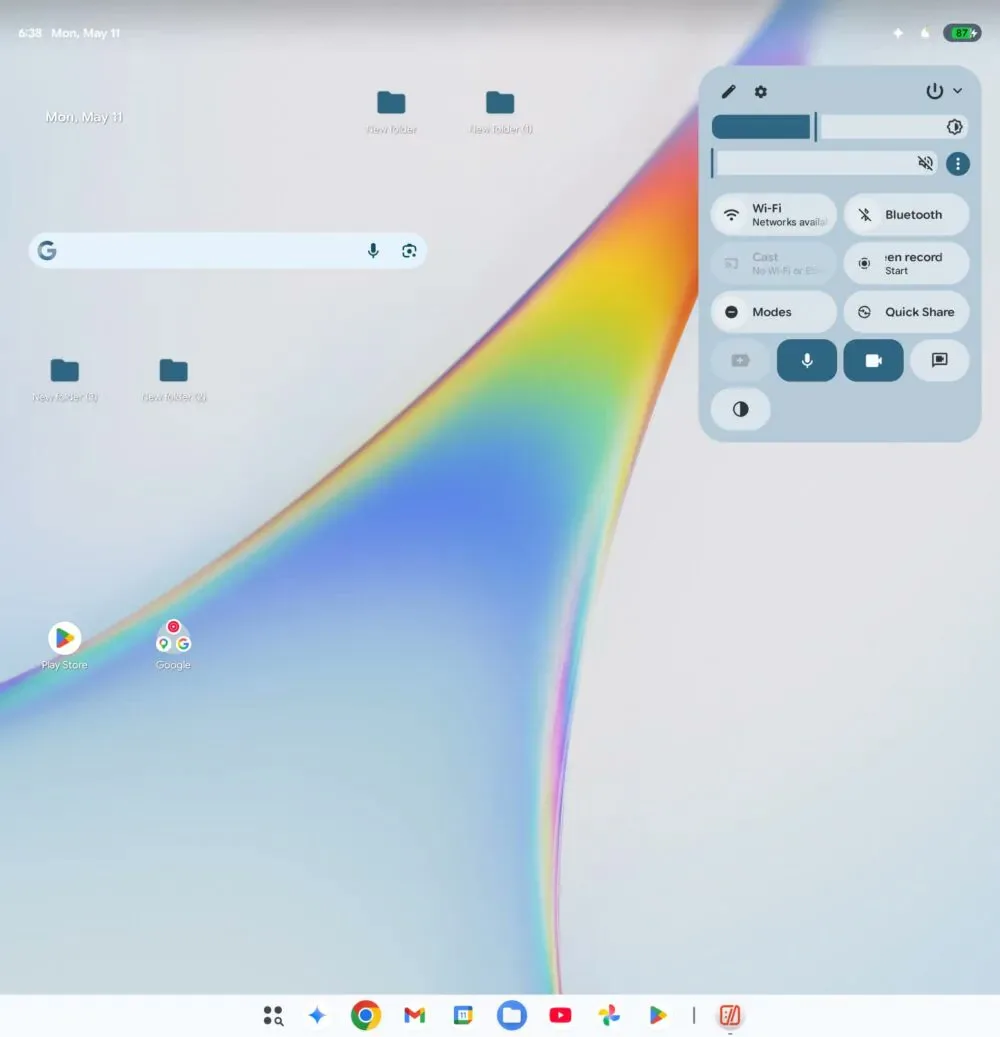
The Setup Process Already Looks More Polished Than Expected
After booting the leaked image, the operating system reportedly presents a surprisingly polished setup process.
Users can:
- transfer data from Android devices
- migrate information from iPhones
- configure AI features
- and connect directly to Google services
Interestingly, the setup flow already appears more modern than parts of ChromeOS, according to the leak demonstration.
And honestly, the interface overall feels much closer to a modern desktop operating system than a stretched phone UI.
Gemini AI Integration Could Be the Biggest Part of Aluminium OS
One thing Google clearly seems serious about is AI integration.
Throughout the setup process, Google Gemini appears heavily integrated into the operating system itself.
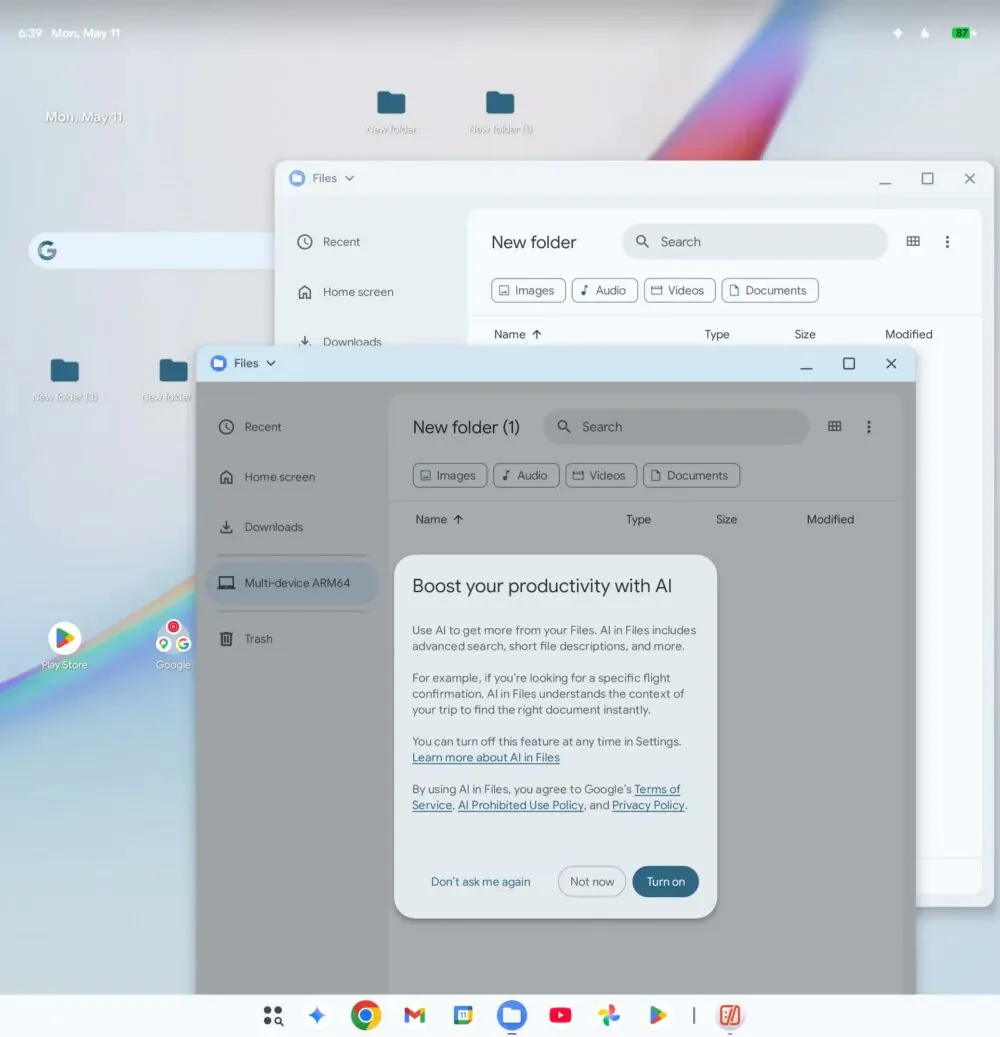
The leak even suggests that future Google hardware may include:
- dedicated AI buttons
- voice-first workflows
- on-device AI processing
- and ARM acceleration specifically optimized for Gemini
That lines up closely with Google’s recent AI strategy across Android and Pixel devices. But this time, the AI integration appears to be much deeper and more system-wide.
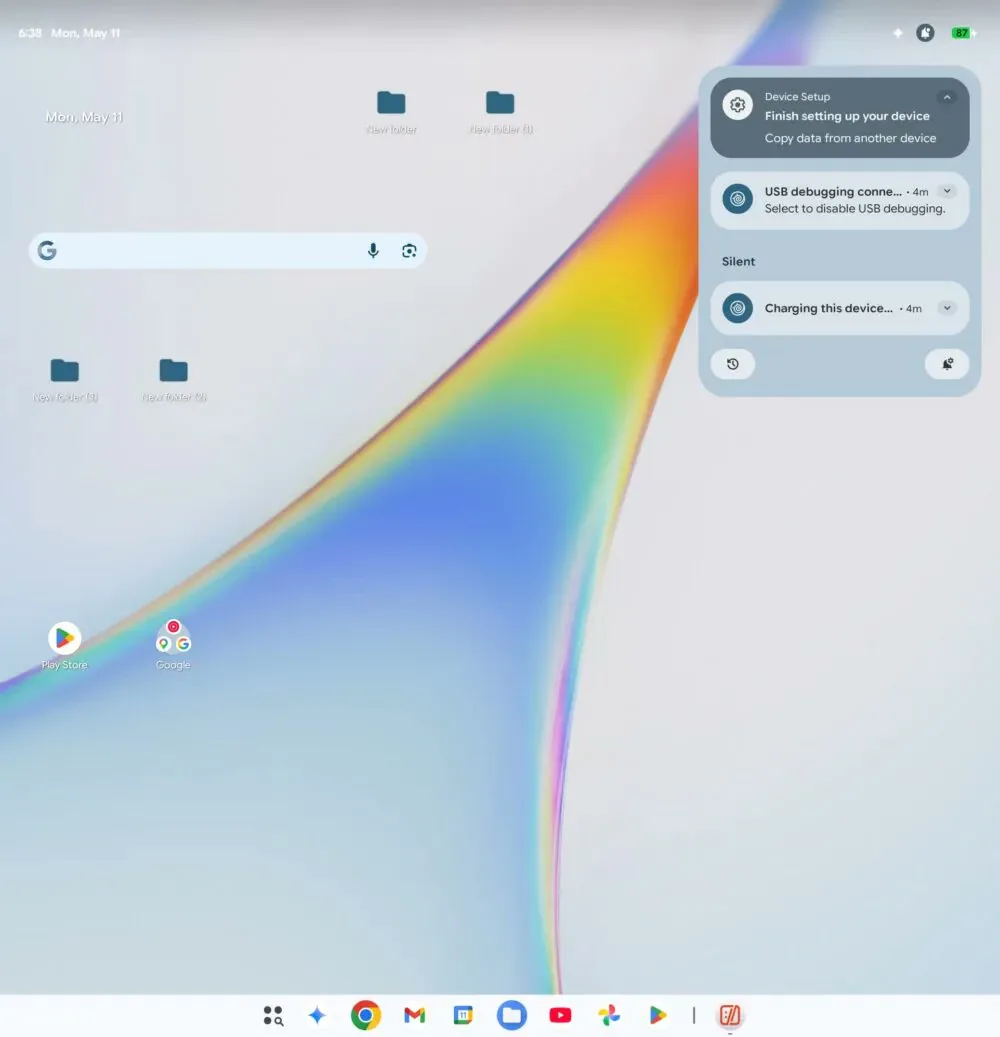
How Aluminium OS Turns Android Into a Desktop Operating System
What makes this leak interesting is how far Android appears to be evolving beyond phones and tablets.
The desktop interface reportedly includes:
- folders
- taskbar workflows
- desktop management
- desktop-style setup systems
- and larger-screen multitasking behavior
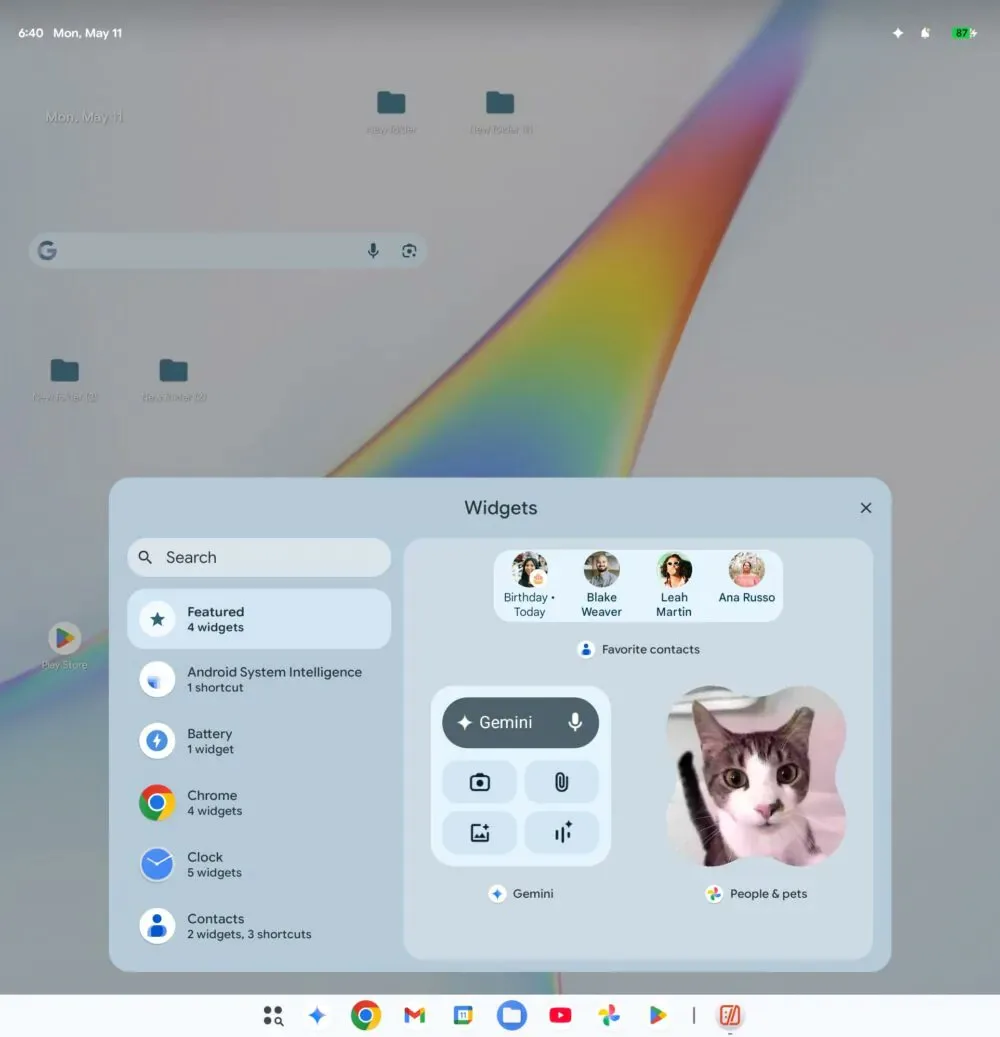
Combined with recent Android desktop mode leaks, it increasingly feels like Google wants Android to become:
- a laptop platform
- a desktop environment
- and potentially a replacement for parts of ChromeOS
That is a huge shift if it actually happens.
Aluminium OS Appears Designed for New ARM-Based Google Laptops
Another major takeaway from the leak is Google’s apparent focus on ARM-based computing.
ARM laptops continue gaining momentum because they offer:
- better battery efficiency
- lower heat output
- improved standby performance
- and increasingly strong AI acceleration
And if Google fully commits Android desktop experiences to ARM hardware, it could create a much tighter ecosystem between:
- phones
- tablets
- laptops
- and AI-powered devices
That would also explain why the leaked image reportedly only functions properly inside ARM virtualization environments.
There Are Still Many Questions Around Aluminium OS
At the same time, there are still many unknowns. The leak does not fully answer:
- What apps will be supported
- Whether traditional Android apps scale properly
- How powerful multitasking will become
- or whether these devices can truly compete with traditional laptops
And naturally, because this is still a leaked early image, many parts of the experience may change before any official release.
Still, even in this unfinished state, the operating system appears surprisingly functional already.
Aluminium OS Could Push Android Beyond Phones and Tablets
What makes this leak feel important is that it no longer looks like Google is simply experimenting. Instead, it feels like the company may finally be trying to unify:
- Android
- AI
- ARM hardware
- desktop workflows
- and larger-screen computing
into one long-term ecosystem strategy. And honestly, if even part of this leak reflects Google’s actual direction, Google I/O 2026 could eventually be remembered as one of the most important turning points Android has seen in years.