
Valve’s Lepton leak sparks hope for Android on Linux
You might have seen recent leaks pointing to Valve’s new project, Lepton. It’s an official Android-on-Linux compatibility layer based on Waydroid. While the naming is new, the tech behind it is something Valve has been quietly using in its Steam Frame VR headset.
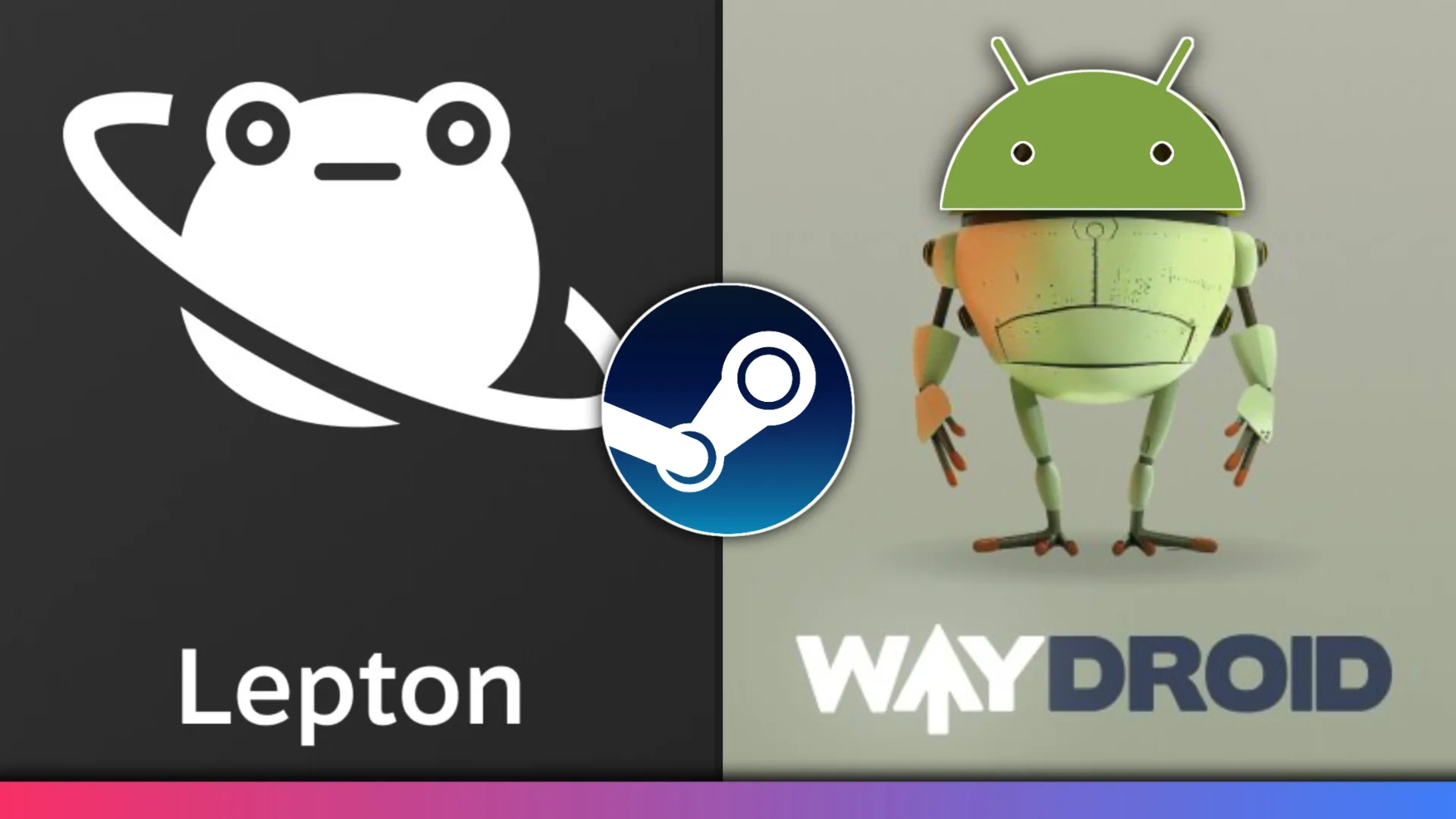
Lepton is expected to refine and extend Waydroid’s container technology, aiming for smoother Android game and app support on Linux gaming setups beyond VR. This leak hints Valve is serious about improving Linux’s Android compatibility.
Why Android apps on Linux matter
You can imagine how much better Linux gaming would be with native Android support. A lot of popular mobile games and apps currently don’t run well on Linux systems. Officially supported Android compatibility would open a whole new library of content.
This combination of Android and Linux could bring mobile games seamlessly to devices like the Steam Deck and standard Linux desktops in a user-friendly way.
A quick look back at Proton and Wine
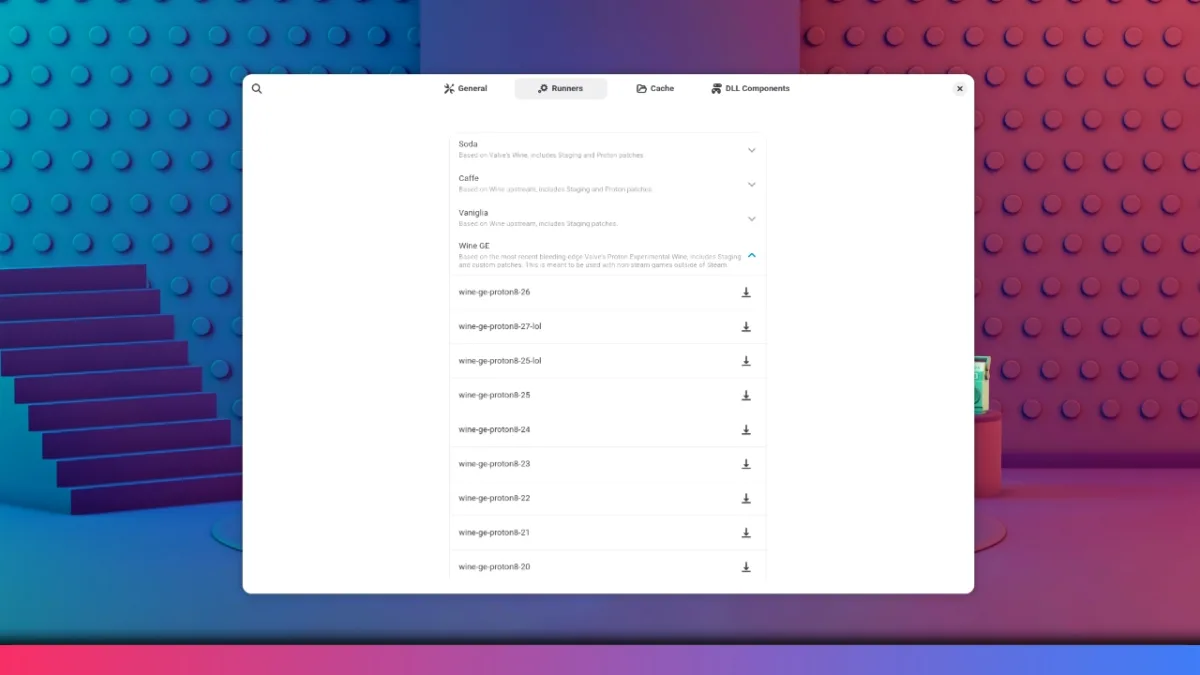
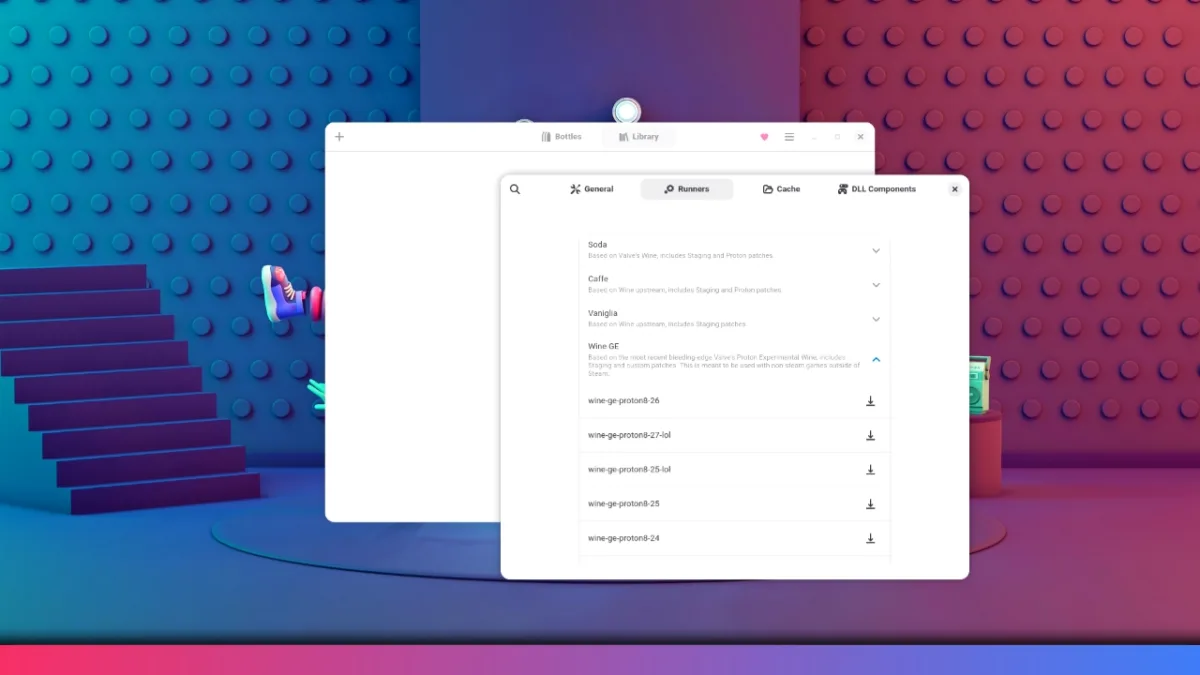
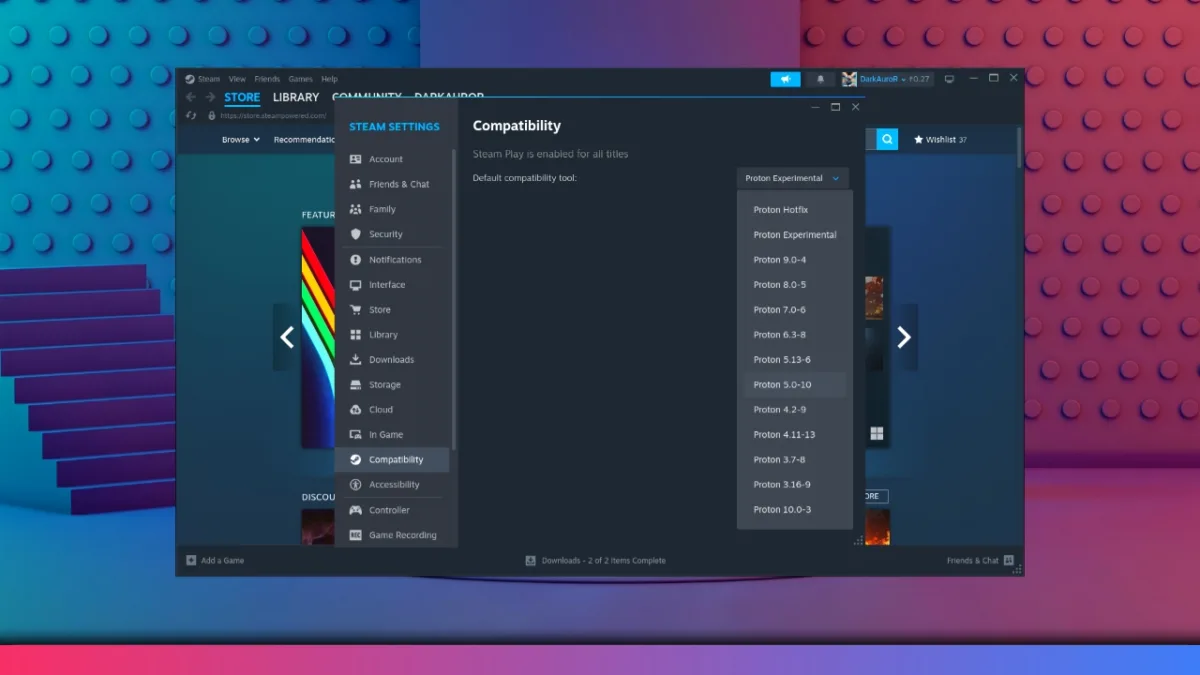
We know that Proton changed Linux gaming by simplifying Windows game support. It’s Valve’s fork of Wine, but tuned specifically for games. Proton handles translating Windows calls and graphics APIs to work efficiently on Linux.
Proton’s success comes from deep integration with Steam, game-specific patches, and performance optimizations. Moreover, It made thousands of Windows games playable on Linux easily.
How Waydroid paved the way for Android on Linux
You can think of Waydroid as an early open-source step toward Android compatibility on Linux. It runs Android in a container on Linux kernels. While promising, users have faced stability and compatibility issues, especially with ARM translation.
Waydroid’s elementary state and lack of polished updates made it hard for gamers to rely on it daily. But it laid the groundwork for projects like Lepton.
What makes Lepton different and hopeful
We can expect Lepton to carry forward Waydroid’s foundations, but with Valve’s resources. That likely means better stability, developer support, and deeper integration with SteamOS and Linux systems.
Hopefully, Valve’s branding and official status could attract developers and speed up improvements. Unlike the fragmented and sometimes stagnant Waydroid community effort.
Why multiple compatibility layers matter
You can see how Linux benefits from specialized tools handling different compatibility needs. Proton solves the Windows-to-Linux game problem, while Lepton aims to tackle Android-to-Linux.
Multiple focused projects create options that are beneficial for the end users. If one tool fails or lacks features, users can try alternatives, improving success rates.
What the future might hold for Linux gaming
Hopefully, we can embrace a future where playing Windows games and Android apps on Linux requires no extra hassle. Clicking play would just work, powered by Proton for Windows titles and Lepton for Android games.
YOU MAY LIKE:
- PhonePe UPI Rolls Out on Nokia and HMD Feature Phones: Full Device List
- UPI on HMD, Nokia Feature Phones Will Stop Working After August 1
- How to Play Brown Dust 2 on Linux Using Heroic Games Launcher
- Google’s Leaked “Aluminium OS” Could Be the Biggest Android Shift in Years
- How to Install & Play Neverness to Everness on Linux Using Steam and Proton
Wrapping it up
You can now put Lepton leak in context. It could be a hint of Valve’s official entry into Android-on-Linux compatibility. Building on Waydroid’s early work and Proton’s Windows gaming legacy. Though details are limited, this approach could change the game for mobile gaming on Linux. Keeping an eye on Lepton’s developments will be exciting for Linux gamers and app users alike.