
You might have heard the Honey browser extension is caught in a major scam. It promised quick savings but quietly stole affiliate commissions from influencers. The extension also misled users about finding the best deals. This post breaks down how Honey’s clever scheme worked and why it fooled so many for years.
What Honey Claims to Do
You can start with the basic pitch. Honey is a browser extension that promises to find the best coupon codes at checkout automatically. You install it, shop as usual, and Honey pops up to say it found a code for you. On paper, you save time, you save money, and everyone wins. That is the image millions of people bought into thanks to huge influencer campaigns.

How Influencer Affiliate Links Work
You can better understand the scam once you know how affiliate links function. Many creators earn a commission when you click their special link and make a purchase. Most programs use “last click attribution.” That means the last link clicked before purchase gets 100% of the commission. So, if you click Creator A’s link today and Creator B’s link tomorrow right before you buy, Creator B gets paid, not Creator A.
How Honey Hijacked Commissions
You can now see where Honey stepped in. Right before you checked out, Honey would search for coupon codes and quietly swap the existing affiliate tracking with its own. It did this by triggering a kind of fake referral click in the background. So, the creator who convinced you to buy got nothing. Honey, which did not do the real marketing work, grabbed the full commission instead.
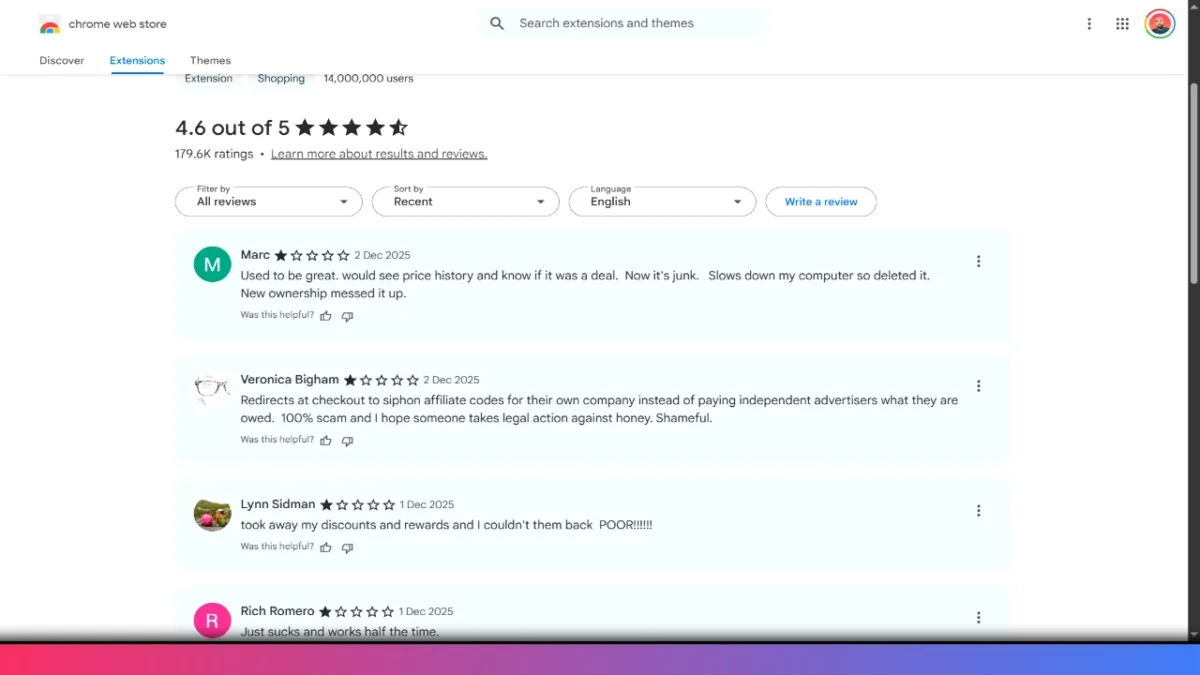
You can imagine how bad this got for influencers. Even if Honey did not find any discount at all, it still overwrote the original affiliate cookie. That means Honey earned a referral commission for “helping” a sale it never actually drove. Creators lost income. Viewers had no idea anything had changed.
The “Best Coupon” Promise Problem
You might also remember Honey’s big promise: it would search the internet to find the best available code. That was a core selling point. Evidence now suggests that in partner stores, Honey often showed only a limited set of codes. Stores could pick which coupons appeared, even if better ones existed elsewhere. That way, shoppers felt like they had found the best deal already and stopped looking.

You can see why this appealed to businesses. They controlled how much discount they really gave, while Honey told users, “You are saving as much as possible.” In reality, some people missed out on better codes that Honey simply did not show. So, customers were misled, influencers lost commissions, and Honey got paid in the middle.
Why This Went Unnoticed for So Long
You might wonder how something this sneaky stayed hidden for years. The answer is in how invisible the process looked. Users only saw a friendly pop-up saying “Try coupons.” They never saw the background tab that swapped affiliate cookies. Influencers saw lower earnings, but affiliate payouts fluctuate anyway, so it was easy to blame normal changes or seasonality, not a browser plugin.
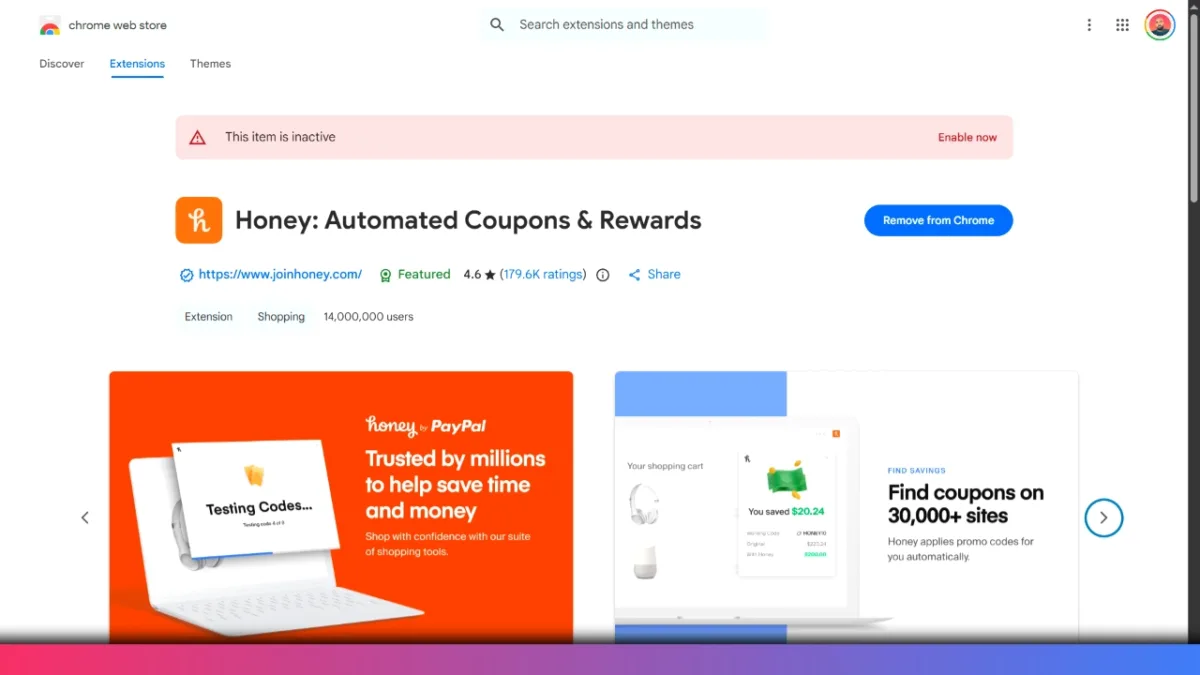
You can also see how the massive influencer push helped. Honey sponsored thousands of videos with some of the biggest names online. Viewers trusted those faces and installed the extension without thinking that the same creators were being undercut behind the scenes.
What This Means for You
You can take a few practical lessons away from this story. First, not every “money-saving” extension truly works in your interest.
- Tools that sit between you and the checkout can quietly change who gets paid.
- Second, supporting creators you like is harder when third parties hijack affiliate links.
- If you want to be sure your favorite channel gets credit, you may prefer using direct links without extra extensions.
YOU MAY LIKE THESE:
- OnePlus OxygenOS 16 February Update Rollout: Full Device List
- This Tiny Home Server Replaced Netflix and Google Photos for Me (Here’s How)
- Pokémon Pokopia Launch Date, Gameplay, and Everything We Know
- Origin OS 6 Android 16 Update Timeline: iQOO Devices Confirmed
- Google Aluminum OS Leak: First Real-World Look at Android’s Desktop Future
Closing Thoughts
You can now see why so many people are calling this whole situation a “Honey influencer scam.” The extension promised to help shoppers and creators, yet quietly redirected commissions and limited real savings.
For years, nobody outside a small group of insiders realized how the system worked. Now that the scheme has been broken down in plain language, you can choose more carefully which tools to trust with your purchases and which ones to uninstall.